Learning platform
 en
en 


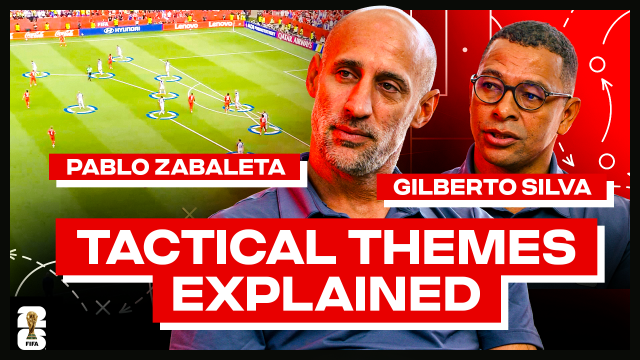
In this tactical review, former World Cup winner and Arsenal midfielder Gilberto Silva and ex-Argentina and Manchester City FC full-back Pablo Zabaleta dissect the prevalence of mid-to-low blocks at this edition. Furthermore, our TSG experts look at the best teams during transitions to attack – from organised blocks and counter-pressing – before providing their thoughts on FIFA’s updated Power Rankings.
Watch analysis
Read summary
00:54
Part 1: The importance of mid and low blocks
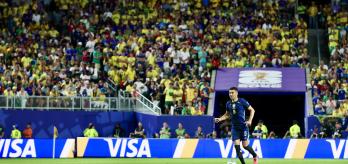
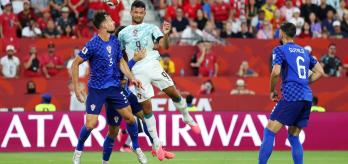
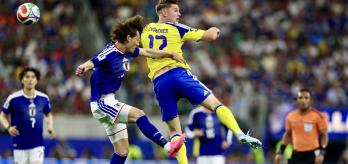
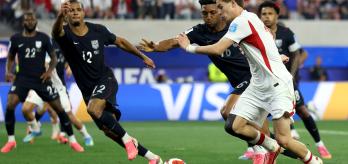
The TSG notes defensive organisation as one of the defining tactical themes after two rounds, with teams finding success through both mid and low blocks. Silva explains how Brazil improved after switching formations from a flat 4-4-2 to a 4-3-3 mid-block versus Haiti and placing Casemiro at the base of the midfield. The 34-year-old's expert communication and positioning helped to organise the players around him while also protecting the space between the lines. Zabaleta highlights Morocco’s mid-block, forcing the opposition into wide areas through cohesive pressing from the forward line and two centre-midfielders. In deeper defensive setups, Japan impressed our experts through their discipline and coordinated movement, waiting for the right moment to win the ball. Meanwhile, Zabaleta examines how Australia’s out-of-possession approach differs, as the Socceroos defend with large numbers inside their own penalty area and show resilience to absorb pressure for long periods without losing concentration or organisation.

11:05
Part 2: Transitions to attack and counter-pressing
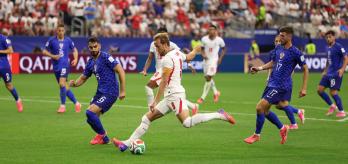
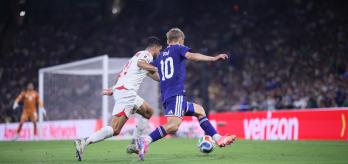
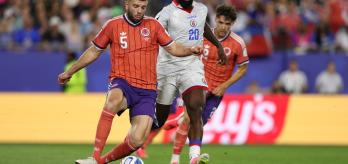
The TSG identifies two distinct types of attacking transitions that stood out. The first begins from an organised block, followed by a counter-attack once possession is won. Silva explains that speed is vital to this, with players such as Kylian Mbappé and Vinícius Júnior suited perfectly to exploiting space after the ball is recovered. He also stresses the importance of playing the first pass forward, allowing attackers to break quickly while the rest of the team joins the attack. Norway, using Erling Haaland’s pace and intelligent movement, have been a prime example of this. The second type comes from intense counter-pressing, with Spain setting the benchmark. Both experts praise their reactions after losing possession, creating chances before opponents can reorganise. Ecuador also earn recognition for their aggressive central pressing, with Moisés Caicedo excelling at winning the ball and launching attacks.
17:45
Part 3: FIFA Power Rankings
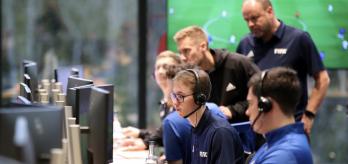
The discussion concludes with a look at the latest FIFA Power Rankings, which use performance data to assess the tournament’s standout players. Germany’s Denis Undav tops the attacking rankings after contributing to five of Germany’s nine goals in the opening two matches despite appearing as a substitute in both games. In the creativity rankings, France’s Michael Olise and Spain’s Lamine Yamal are recognised by the TSG for their ability to create chances and influence matches. Silva notes Yamal’s growing importance for La Roja as the tournament progresses, while heaping praise on table-topper Olise. Defensively, Canada’s Derek Cornelius remains unmoved at the top, following another commanding display, but the experts also single out Cabo Verde’s Pico Lopes, as well as the USA’s Tyler Adams and Chris Richards, for the consistency and leadership shown during the opening two rounds.
Rate your experience