Learning platform
 en
en 


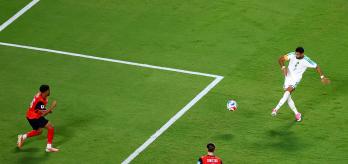
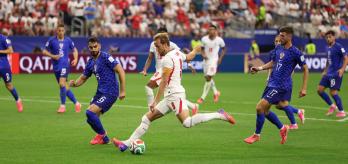
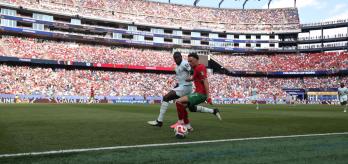
One of the defining tactical features of this matchup was how Algeria used their full-backs and wingers to create space in the final third against the opposition’s well-organised 4-4-2 out-of-possession shape, which allowed Riyad Mahrez in particular to grab a foothold in the game. On hand to provide analysis is Technical Study Group expert and former Netherlands international Aron Winter.
Watch analysis
.variant640x360.png)
Read summary
00:14
Part 1: Algeria’s full-back positioning and build-up
Winter explains the pivotal role that Algeria’s full-backs played in disrupting Austria’s defensive shape during the build-up phase. As the wingers, Mahrez and Houssem Aouar, shifted into the inside channels, the full-backs advanced high to stretch the pitch and force the Austrian defenders into difficult decisions: whether to follow the wingers inside or hold their positioning. These simple movements created space both centrally and out wide. Winter also highlights Algeria’s patience in possession, noting how they resisted the temptation to play long balls when pressed. Instead, Vladimir Petković’s players used coordinated movements and counter-movements to manipulate their opponents’ shape. By varying the full-backs’ runs through overlapping on the outside or underlapping on the inside, Algeria repeatedly pierced Austria’s defence and created opportunities, including a dangerous attack down the right side in the final 15 minutes of the first half.
03:41
Part 2: Algeria’s variations and Mahrez’s influence
Winter also focuses on how Algeria’s positional fluidity in possession produced one of the moments of the match. To mix it up, both full-backs would invert into the inside channels occasionally while the wingers remained wide. This variation caused a further headache for Austria’s backline and midfield over who should track runners and who should hold their positions, creating gaps between the two units. The second goal for Les Fennecs was a perfect example of these principles in action, explains Winter, as the wingers’ wider positioning led to Mahrez finding himself free at the back post to convert a well-weighted cross from Aouar. Finally, the TSG expert underlines Mahrez’s overall influence across the game, noting his six involvements in attempt at goal sequences, 1.35 expected goals generated, and his two goals, as Algeria progressed to the knockout phase.

Rate your experience