Learning platform
 en
en 


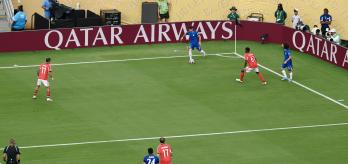
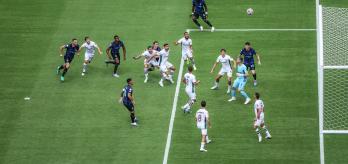
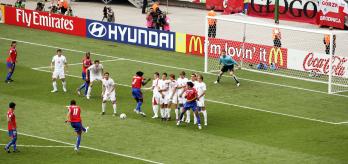
This article focuses specifically on blocking the last defender in the defensive line, highlighting how attacking teams can create separation and space at the far-post zone, an area often exposed due to blindside positioning and limited cover.
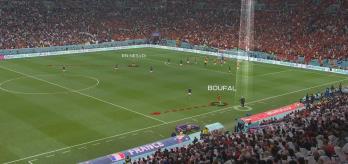
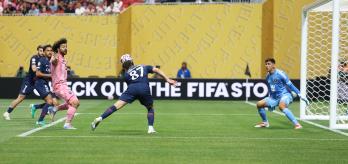
A clear example of this strategy came at the FIFA Club World Cup 2025™ in a game between Paris Saint-Germain and Inter Miami FC.
A breakdown of Inter Miami’s defensive organisation highlights several structural characteristics that expose the last defender to targeted blocks.
Defensive organisation

Having identified the key features of Inter Miami’s defensive structure, we now examine how Paris Saint-Germain designed their routine to exploit these vulnerabilities.
Attacking strategy
Defensive solutions
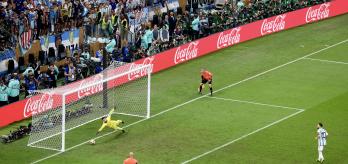
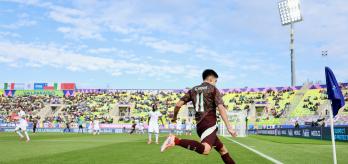
To counter the threat of blocks on the last defender, teams have adopted different measures to protect this space. These approaches vary in their level of risk, subtlety, and proactivity, and offer alternatives to simply shifting the line towards the far post, an adjustment that can leave the front-post zone exposed. The following examples illustrate four strategies.
While each solution differs in approach, they share a common aim: to disrupt blocking actions before they can be executed. This reinforces the importance of proactive behaviour rather than passive or static defending.
Key take-aways
Blocking the last defender in the zonal line has become an increasingly effective strategy for accessing the far-post zone from wide free kicks. Its success is rarely based on the block alone, but rather on the interaction between defensive structure, attacking organisation, and delivery execution.
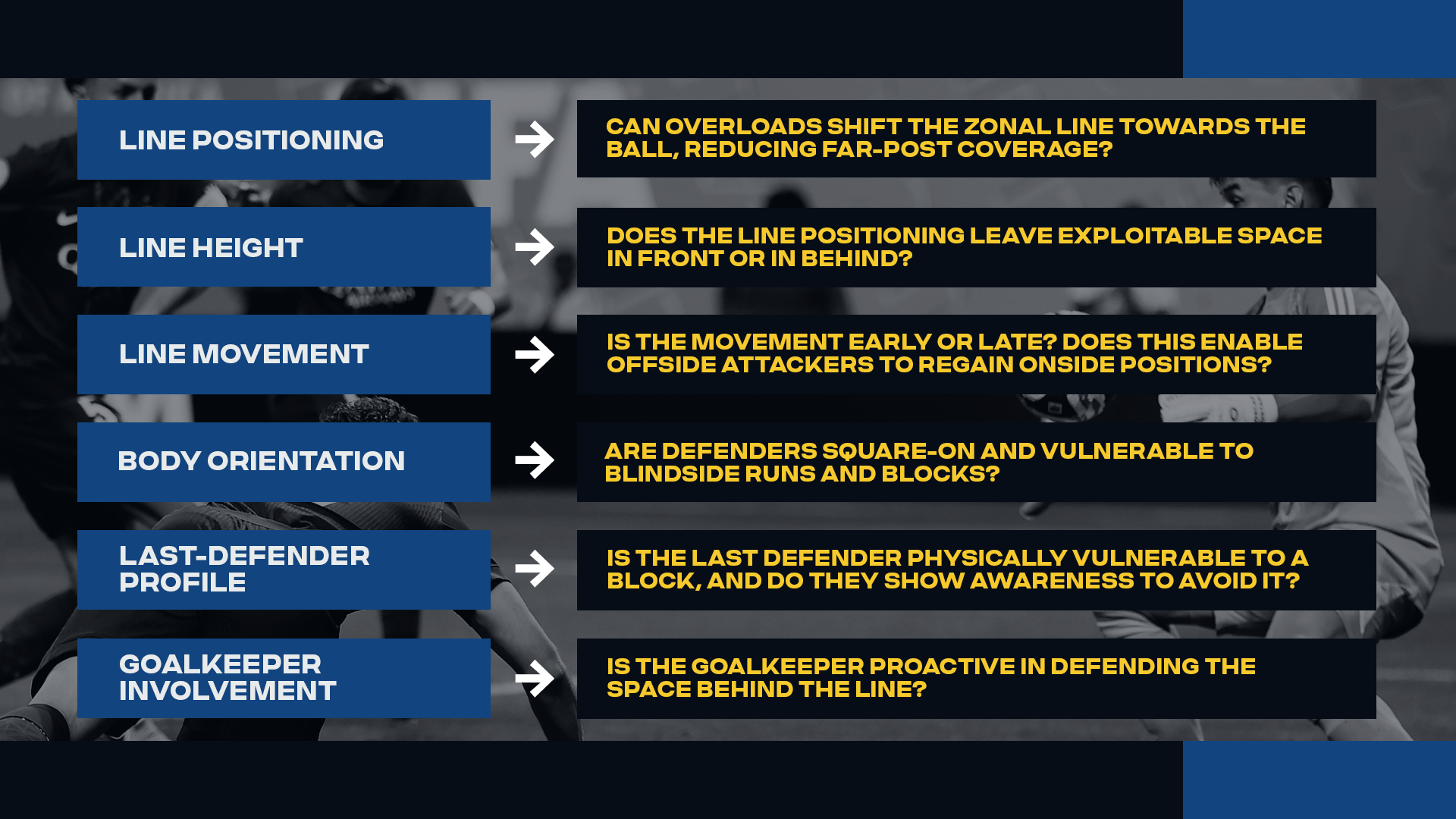
The following checklist can support coaches in evaluating defensive susceptibility to last-defender blocking routines:
Rate your experience