Learning platform
 en


Behind that track record is a clear approach to developing young players. However, reaching the level of some of these graduates requires more than merely possessing great technical skills. At Legia, the focus is on creating players with excellent decision-making who can adapt to the demands of the game, while also giving them responsibility for their own development. Mateusz Ludwiczak, Legia Warsaw’s Coordinator of Training Methodology from U-7 to U-13, explains how this philosophy shapes the club’s training methodology, the environment created for young players and the role coaches play in preparing them for the future.
Key coaching competencies
-
Give players increasing responsibility for their own development.
-
Encourage players to solve problems rather than relying on the coach.
-
Create a safe environment that encourages risk-taking and learning.
Watch interview
Read summary
Part 1: The development philosophy of Legia Warsaw
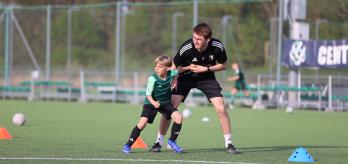
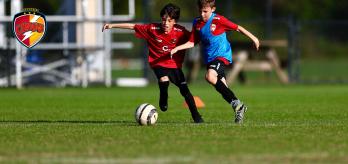
Legia Warsaw’s approach to player development is about building the person as much as the footballer. Ludwiczak states that the child’s role is as important as the coach’s. He places decision-making at the heart of player development, encouraging players to solve problems on the pitch rather than rely on instructions from the sideline. This progresses through the age groups, moving from improving technical and tactical skills to more complex interactions involving team-mates, opponents and different game situations. As players get older, they are emboldened to take greater ownership of their development, such as how they use their time away from the club. He stresses the importance of educating players and boosting their social skills, recognising that not every child will become a professional footballer. The aim is to equip them with qualities that support them in football and wider life.

Part 2: Legia’s training methodology
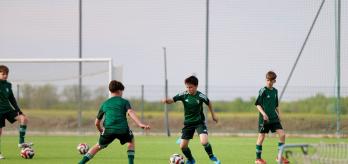
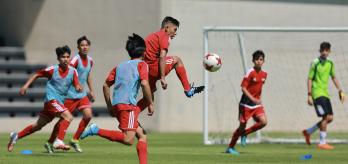
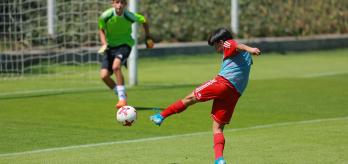
Ludwiczak explains that Legia also want players to recognise the importance of their role when they are away from the ball. At the beginning, developing individual actions provides the foundation for eventually learning how to combine with team-mates, understand responsibilities away from the ball and recognise how their positioning can influence what happens next. These behaviours are connected to Legia’s game model and are applied across different phases of play. At the club, training is built predominantly around realistic game environments, allowing technical, tactical, physical and mental development to occur, all in the same place. Even when an exercise begins with an isolated technical action, Ludwiczak looks to connect it with added pressure, opponents or even team-mates so that players can use what they learn in competitive situations.
Part 3: Polish football and the role of the coach
According to Ludwiczak, Polish football has three unique qualities to preserve: creativity, versatility and diversity. He places particular emphasis on the final trait, believing that encouraging different coaching approaches and experimentation is important for the country’s continued progress on the pitch. Within this environment, Ludwiczak sees the coach’s role as much more than just teaching football. Coaches at Legia must create a safe environment where children feel comfortable taking risks, making mistakes, building relationships with team-mates, and handling setbacks. Ludwiczak says the importance of results and winning is introduced gradually as players get older, but it should remain a consequence of the development process rather than the “fruit of the labour”. For him, the priority for coaches is preparing the players for senior football without them losing the creativity and individuality that make the Polish game distinctive.
Rate your experience