Learning platform
 en
en 


Learning
-
How strong networks can help technical leaders overcome similar challenges
-
The importance of trust in information sharing
-
Why a healthy network includes diversity of background and perspective
FIFA Technical Leadership Diploma as a connection catalyst
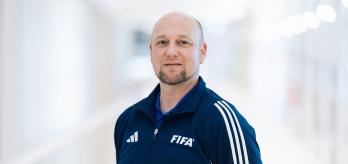
Developing a network of contacts who have faced similar professional challenges is key for the long-term success of a technical leader says Dave Nutt, Director of Development at the Canadian Soccer Association.
“I think everyone who is working in technical leadership appreciates that sometimes leadership can be lonely – particularly in technical leadership,” explains Nutt, who is responsible for all technical elements of the growth and development of football in Canada outside professional and high-performance pathways.
“Finding other people that have experienced similar challenges and have gone through the same journey has really helped me to understand the situations I was facing were not only individual to me. These are challenges that come with this type of role.”

Nutt credits the FIFA Technical Leadership Diploma – which aims to become the “globally recognised qualification” for technical leaders working in the game – for helping widen and strengthen his professional network. He graduated from the programme in December 2025.
“It’s hard to find people that have been in similar situations without a strong network. The networking, connections, communication and conversations on the FIFA Technical Leadership Diploma have been really helpful for me to ground myself and work through some of those challenges. I think that’s testament to the people that I’ve met and interacted with during the programme.”
Developing a global network of connections
Developing relationships with a global network of technical leaders has helped Nutt appreciate that all Member Associations – regardless of size or budget – quite often face similar obstacles.
“No matter how things might look in other Member Associations around the world, often they all have similar challenges underneath,” says Nutt, whose role involves coach education, club licensing, grassroots and amateur soccer programme development.
“To be able to speak to people that have had that journey and experienced similar challenges has helped me to seek advice about how I might be able to work through similar issues.”
No matter how things might look in other Member Associations around the world, often they all have similar challenges underneath
A network of global connections allows organisations to gain important detail rather than working from outside perception, adds Nutt.
“Now when we have conversations at home about what is being done in other soccer-rich nations of the world, I can actually pick up the phone or send a quick message and find out what that actually means and come back with good information,” he explains.
“Having the opportunity to actually have conversations with connections from around the world and to really dig deeper and understand what they do, is important. It allows us to implement any positive changes that might apply in our culture and also leave the things that are less applicable.”
Developing trusting relationships leads to information sharing
Having a global network of connections who are willing to share information only comes from investing time into personal connections, believes Nutt. “Information is extraordinarily valuable in our industry and it’s a hard thing to be able to get,” he says. “By developing personal connections, there’s a lot more willingness to share.
“Once you have built that connection you are not reaching out as an obscure name behind an email; you’re a real human being that people know. Through this trust people are more willing and eager to share. Similarly, I’m more than willing to share anything that might be beneficial with my network.”
Technical leaders can’t have ‘all the answers’
Due to the varied responsibilities and challenges faced in the role, technical leaders cannot claim to ‘have all the answers’ and should instead use their network to support any gaps in knowledge, says Nutt.
“As technical leaders we can’t possibly know it all or be experts in all areas, but we need to know enough to be able to engage in meaningful conversations in all relevant areas. Having a network of peers that have different experiences and backgrounds, and are able to help me in areas where I might have less knowledge, is crucial. Similarly, if I help others in the areas that are a little bit more of a strength of mine is important in helping others to be able to grow in their journeys as well.”
Summary
-
Develop a network of contacts who have faced similar challenges
-
Trusting relationships can lead to sharing of important information
-
A varied network helps ensure diversity of background and experience
Reflection
-
How many people in your network have faced (and overcome) similar challenges that you currently face?
-
Who could you add to your network to strengthen in this area?
-
How varied are the backgrounds and experiences of your current network? What perspectives may be missing?
Rate your experience