Learning platform
 en
en 


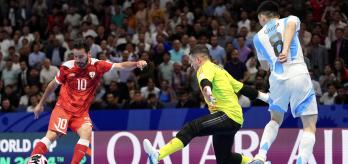
These patterns are game-specific triggers that appear repeatedly in similar situations. By recognising them, goalkeepers can identify what is happening, anticipate possible developments, and choose the most appropriate response. Although the webinar examines each pattern separately for clarity, they are connected and usually appear simultaneously during a game.
Recognising key game patterns
The opening section addresses the question: What information can help a goalkeeper understand the situation?
A goalkeeper must constantly process information from the ball, the attackers, the defenders, and their own position. These elements provide clues about what may happen next. The more accurately a goalkeeper recognises these patterns, the better they can anticipate and make decisions before the final action takes place.
The main patterns discussed in this part are:
-
the position and movement of the ball;
-
the player in possession;
-
players without the ball;
-
the position and proximity of defenders; and
-
the goalkeeper’s own physical capabilities and limitations.
No single pattern should be considered in isolation. For example, the position of the player in possession becomes more meaningful when combined with their body orientation, the location of their team-mates and the position of the defenders.
The ball and the player in possession
The first key reference is the ball. Its position, distance from goal, trajectory and angle provide important information about the developing situation. The goalkeeper should also analyse the player in possession, including their distance from goal, preferred foot and body orientation.
Knowing whether a player is right- or left-footed can help the goalkeeper anticipate their likely action. This type of information may come from previous scouting or match analysis, but it must also be interpreted in the context of the current situation.
Body orientation is particularly valuable because it can reveal the player’s intention. The way a player receives the ball, positions their body or faces the goal may indicate whether they are preparing to shoot, pass, turn, or play the ball backwards. These details can help the goalkeeper anticipate rather than just react.
Players without the ball
The next pattern concerns the players who are not in possession. Their movements and positioning can be just as important as the ball carrier’s actions.

Supporting attackers may occupy different spaces and present different levels of threat. A player’s position can create a passing option, draw a defender away or open space for another attacker. Therefore, a goalkeeper must observe not only the player with the ball, but also the possible next receiver and the attacking options developing around them.
This information helps the goalkeeper assess whether to maintain their position, prepare for a pass or adjust their location. The goalkeeper’s decision should be based on the whole situation rather than being attracted solely to the ball.
Defenders and the goalkeeper’s own capabilities
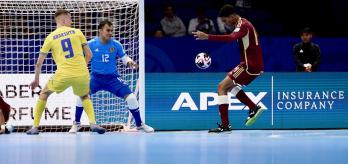
The position and presence of the defenders provide another important pattern. The goalkeeper must consider where the nearest defender is, how close they are to the ball and whether they are able to challenge, delay or block the attacker.
A defender’s position can influence the goalkeeper’s decision significantly. If a defender is close enough to apply pressure, the goalkeeper may be able to remain connected to the goal. If the defender has been eliminated or is unable to recover, the goalkeeper may need to adjust their position or prepare to intervene.
The relationship between the ball, the attacker and the defender must be read as a single situation. The same position of the ball can require a different response depending on the defender’s distance, angle and ability to act.
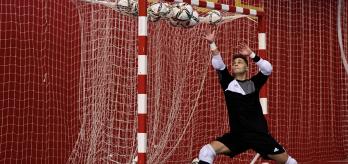
The final pattern is the goalkeeper themselves. Effective decision-making depends not only on reading the game, but also on understanding one’s own body and capabilities.
Goalkeepers must know their strengths, limitations and movement possibilities. This includes understanding their speed, reach, balance and ability to intervene from different positions. Confidence in these qualities can help the goalkeeper act decisively, while a lack of awareness may lead to movements that are too early, too late or beyond their realistic capabilities.
This self-knowledge is particularly important in disadvantaged situations. A goalkeeper must assess not only what the attacker can do, but also what they themselves can realistically achieve. The most effective decision is the one that fits both the demands of the situation and the goalkeeper’s individual profile.
Reading the situation and choosing a response
Body orientation can help goalkeepers interpret the attacking player’s likely intention. The player’s posture may suggest whether they are preparing to play forwards, pass backwards or retain possession.
For example, if an attacker’s body is oriented away from goal and indicates a likely pass or action backwards, the goalkeeper may be able to remain connected to the goal instead of moving forwards. If the attacker is clearly oriented towards an opportunity to attack or intervene, the goalkeeper may leave the goal to challenge. When the attacker’s orientation suggests a possible backwards pass, the goalkeeper should maintain a prudent distance. This protects the goal while keeping them ready to respond to a shot from a central area.
Body orientation is not decisive on its own. It must be assessed together with the ball’s position, the movements and locations of the other players, and the goalkeeper’s own ability to intervene. The goalkeeper must connect these sources of information quickly and continuously. Futsal is not a sequence of isolated events; several patterns develop at the same time and influence one another.
Key take-aways
Rate your experience