Learning platform
 en
en 


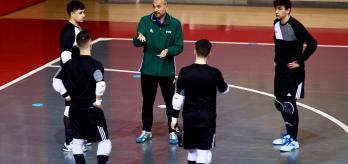
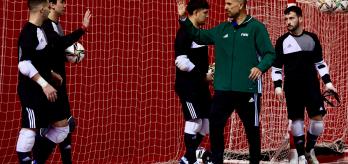
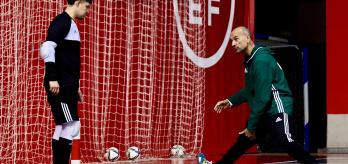
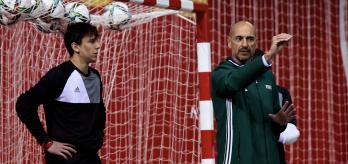
In this webinar, FIFA Futsal Technical Expert Antonio García presents ten tips that will help a goalkeeping coach make their training sessions more effective. The webinar is split into three parts, and in this opening section (Part 1), Tips 1-3 are highlighted.
Specificity must be at the heart of the session so that the exercises resemble real-game situations, actions or scenarios. If the level of similarity is achieved, we should see a clear improvement in what is called ‘positive transference’.
Antonio introduces the series in the first video by explaining why these tips are essential for running effective goalkeeper training sessions. In the second video, he presents tips 1–3 and illustrates them with examples of both effective and ineffective goalkeeper training.
TIP 1: Realism
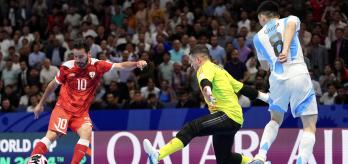
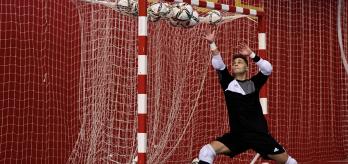
Focusing on the same spaces and actions a goalkeeper encounters in real game play helps them to generate efficient habits and do their job much better. Antonio explains that training outside of these typical spaces and actions offers very little value or risks the development of bad habits. Some typical examples of these actions can be:
-
Back to play: Starting an exercise with the back to play is an example of an unrealistic scenario, and a goalkeeper must process too much information in too short a time.
-
Moving cones inside the area: The goalkeeper is asked to perform a set of actions that bear no resemblance to their tasks as a goalkeeper.
TIP 2: ACTIVE INVOLVEMENT OF ALL GOALKEEPERS
Try to actively involve every goalkeeper in every drill or activity as much as possible. Antonio explains that goalkeepers must be either physically or mentally involved to ensure they are maximising the time spent on the court and that time is not wasted. Here are some strategies that help all goalkeepers stay active in the sessions:
-
Take turns: Create an order and label the goalkeepers (no. 1, no. 2, etc.), so that they must pay attention at all times and anticipate their turn.
-
Create situations in which goalkeepers work simultaneously: Instead of having a goalkeeper wait for their turn, actively include them in the drill, such as working in possession or defending the other goal.
-
Perform roles: Ask each goalkeeper to perform a different role. Have some goalkeepers work in the attacking phase and others in the defensive phase. All goalkeepers must be comfortable in all aspects, such as being on the ball, shooting and passing.
-
Introduce an element of surprise: Make participation random to create unexpected situations and heighten the goalkeeper’s senses/reactions.
TIP 3: SPECIFIC TRIGGERS
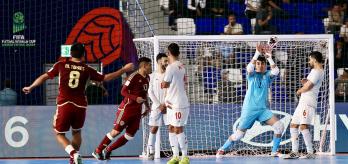
There are many triggers in the game, most being non-specific to certain scenarios. By focusing on the triggers specific to the scenario a goalkeeper faces, it will help them to perform ‘selective attention’ and recognise the key game patterns, allowing them to choose the right decision every time. Here are some of the key triggers a goalkeeper must recognise the;
-
paths of attacking players;
-
speed of the attacker on the ball;
-
angles, spaces and body shapes of the opponent;
-
opponent’s intentions;
-
distance from the ball; and
-
position of all opponents.
About the expert

Rate your experience