Learning platform
 en
en 


Following parts 1–3, which explored Sydney FC’s fully game-based methodology, the rationale behind adopting it, and the embedding of individual challenges within team practice, the final instalment shifts the lens off the pitch. We examine how the academy consolidates learning through two examples:
Classroom review
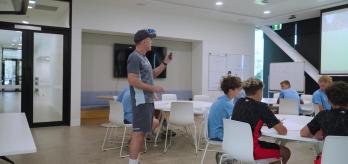
Players are shown three match clips and split into small groups to identify and analyse moments linked to Sydney FC’s Team DNA. They discuss movements, decisions, terminology and team behaviours, leading the conversation themselves rather than being told what to see.
Guided learning
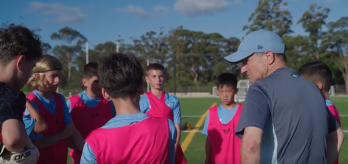
Through guided questioning, the coach actively shapes learning rather than providing solutions, using prompts to link observations back to "Team DNA" and the club’s game model.

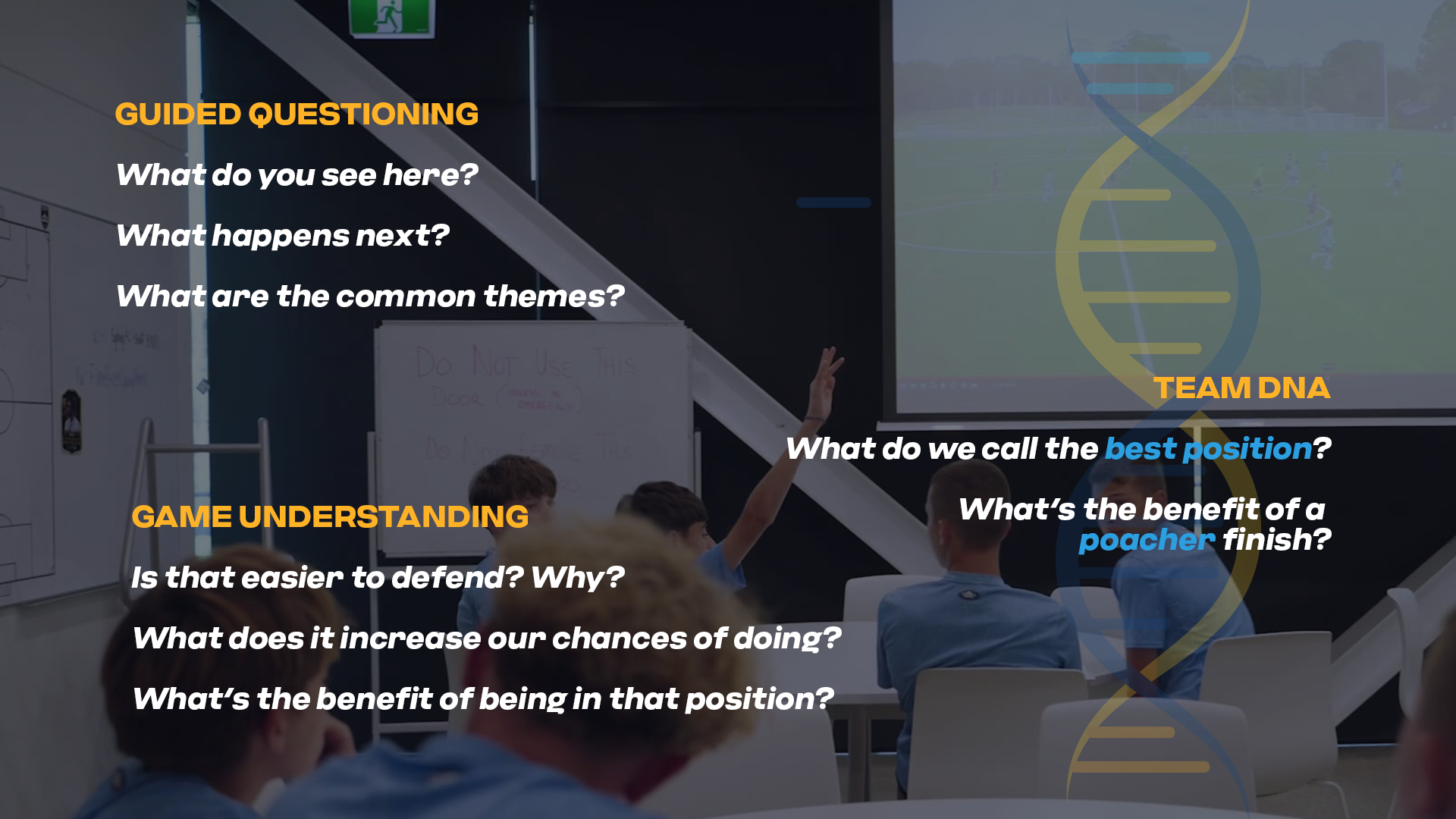
This type of questioning does more than drive discussion, it shapes how players think, speak and make decisions within Sydney FC’s framework by:
-
Encouraging critical thinking
-
Embedding Team DNA language
-
Building confidence to contribute
-
Enhancing decision-making aligned to the club’s game model
Reinforcing "Team DNA"
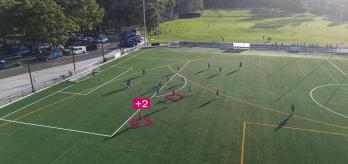
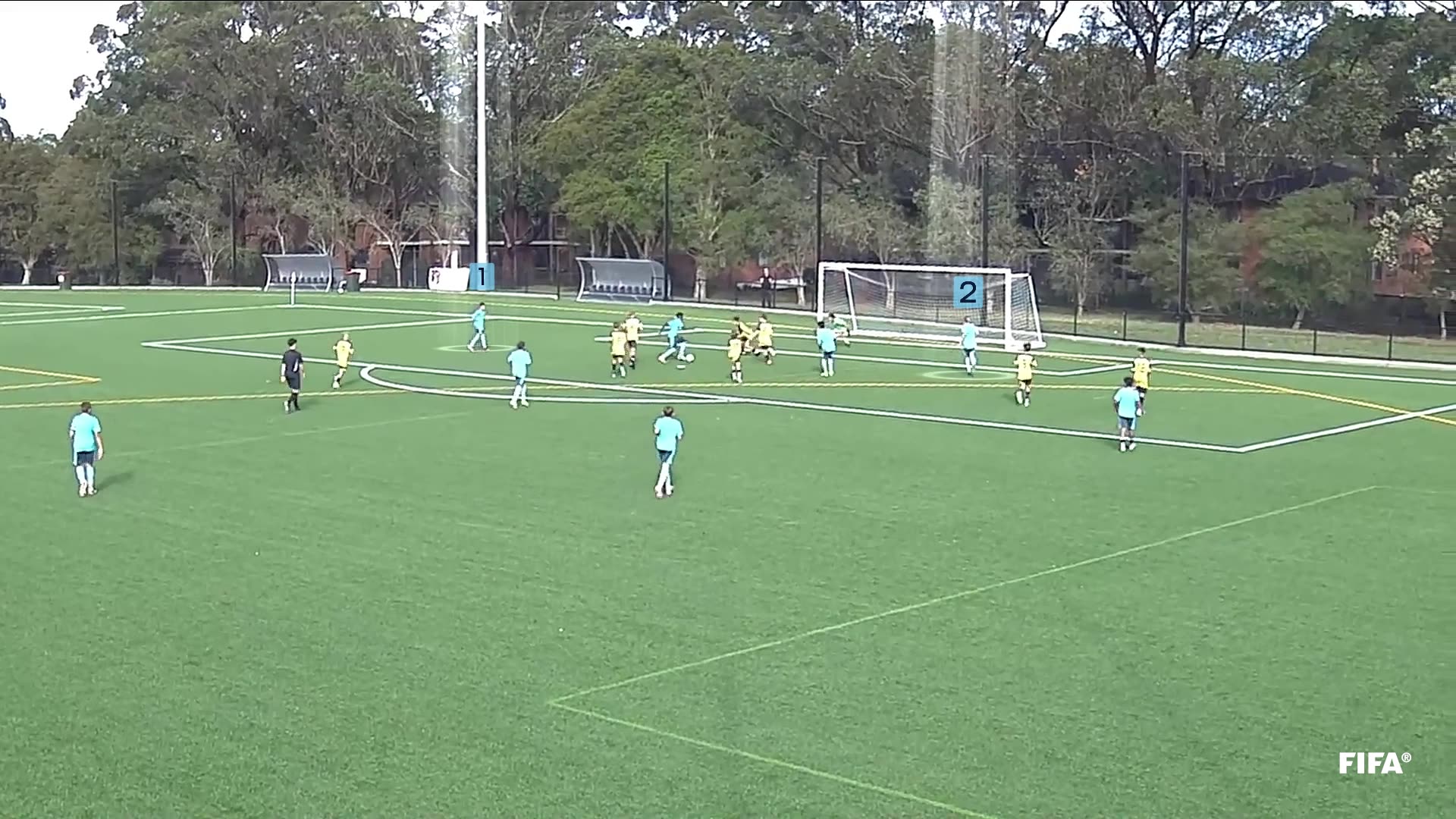
In one clip, players identify the presence of multiple “poachers” attacking the goal — a key Team DNA principle. The coach links this to performance data, stating that around 80% of goals come from one or two touches, reinforcing the value of arriving in high-probability scoring areas ready to finish.
Linking Team DNA behaviours to performance data helps players see the value behind the principle, connecting the club’s identity to real match outcomes.
Individual player relection
The following video shows an example of an individual review meeting, where an academy player reflects on his progress and performance against Sydney FC’s “Player Code” and “Team DNA”. As part of the evaluation, he discusses an assignment to observe other academy players in the same position, breaking down good practice examples from both a technical and tactical perspective.
The coach uses targeted questioning to place ownership firmly on the player, prompting reflection on performance, development habits and individual strengths, including:
-
“What are your thoughts on your strengths and focus areas?”
-
“Why do you feel give-and-go is a strength of yours?”
-
“How have you gone about working on target areas outside of training?”
Key take-aways
It is evident that Sydney FC’s academy development model extends far beyond the pitch. Through collaborative classroom analysis and individual reflective meetings, the club ensures players not only execute the game model, they understand it and can apply it.
By linking video, dialogue and personal evaluation to Sydney FC’s DNA, the academy cultivates players who are:
-
Intelligent
-
Self-aware
-
Accountable
-
Team-oriented
The outcome: players aligned to the club’s identity and prepared for the transition to first team football.
Rate your experience