Learning platform
 en
en 


The beautiful game’s reach in Italy extends from north to south, from small towns to major cities. Football is played nationwide, with countless clubs nurturing children’s dreams, while an abundance of dedicated volunteers and officials do their bit to ensure that matches run smoothly every weekend.
Evolution Programme

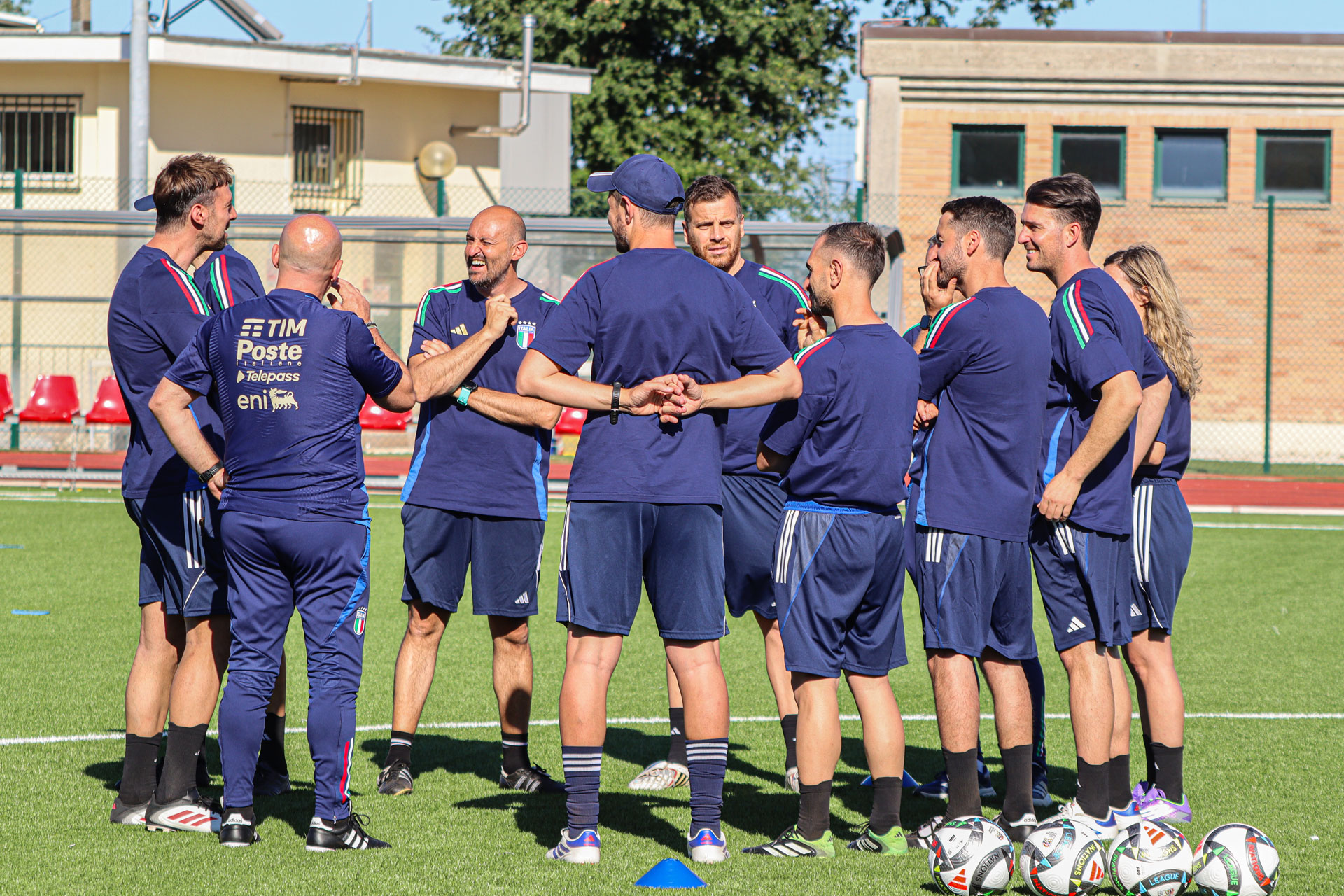
Launching a project of this scale in such an established environment means more than organising events or delivering coach education. It means challenging habits and long-held beliefs. Building on a rich educational and outreach tradition, through its youth and school department (SGS), the Italian Football Federation (FIGC) rolled out the Evolution Programme almost a decade ago, a long-term initiative that truly gathered momentum in the wake of the COVID-19 pandemic.
The methodology of the Evolution Programme is centred on two interlinked goals: to give coaches and clubs solutions, tools and ideas that make their daily work on the pitch more effective, and to help every young player reach their full potential – whatever that may be.
This article, the first of a three-part series, explores where the Evolution Programme stemmed from, the foundations that it is built on, and the opportunities and solutions it offers to everyone involved in youth football in Italy.
The origins
When a new project is launched at Member Association (MA) level, the push often comes from poor sporting results. That was the case here too, but a coaching intervention cannot be designed at a desk. It must respond to the real needs on the ground. This is why the analysis started on the pitch, with the identification of three main conditions to be changed:
-
A traditional approach built on ineffective drills and long-winded explanations that drained the intensity out of training sessions
-
The coexistence of many models, with a heterogeneous vocabulary varying from club to club, from coach to coach and from region to region
-
A structural lack of long-term vision and continuity, with short technical projects often interrupted at the first change of leadership or disappointing result
The answers emerged from combining scientific research, analysis of elite football, individual experience and daily observation on the training pitch. The FIGC’s SGS devised a comprehensive, long-term programme underpinned by daily on-pitch training and two outreach pillars.
The ASTs – Territorial Development Areas: Mobile MA staff visit local clubs on a shared calendar, serving up methodology guidance, running joint sessions and maintaining a dialogue throughout the season
The CFTs – Technical Development Centres: Regional hubs where MA staff deliver their work through training activities for young amateur players and outreach activities open to all
The philosophy
The programme is based on three components:
-
Practical solutions open to every level of coaching experience
-
Opportunities and operational support
-
Adaptability to every type of context
It is not a single model, but rather an ecosystem of tools designed so that every club and coach – from the professional game to amateur and grassroots settings – can get what they really need.
It is a cultural choice rather than a technical one to respect Italy’s wide-ranging characteristics instead of shoehorning these into a one-size-fits-all approach.
The FIGC expect two main outcomes for coaches and clubs from this growth process:
-
Better learning opportunities for players
-
A more effective way of enhancing their value through scouting, which ensures visibility and developmental experiences for the most promising players.
The opportunities
Resources are delivered through various channels: site visits, on-pitch training, workshops, written documents and an app:
The resources cover the most common coaching issues for developing young players – from guidelines to style of play, from goalkeeper development to the way a session is managed – with tools designed to be easy to recognise, shared and adaptable.
Furthermore, they provide a tangible system of support for the growth of clubs and an opportunity to enhance the quality system promoted by the SGS, which was renewed at the beginning of 2025-26.
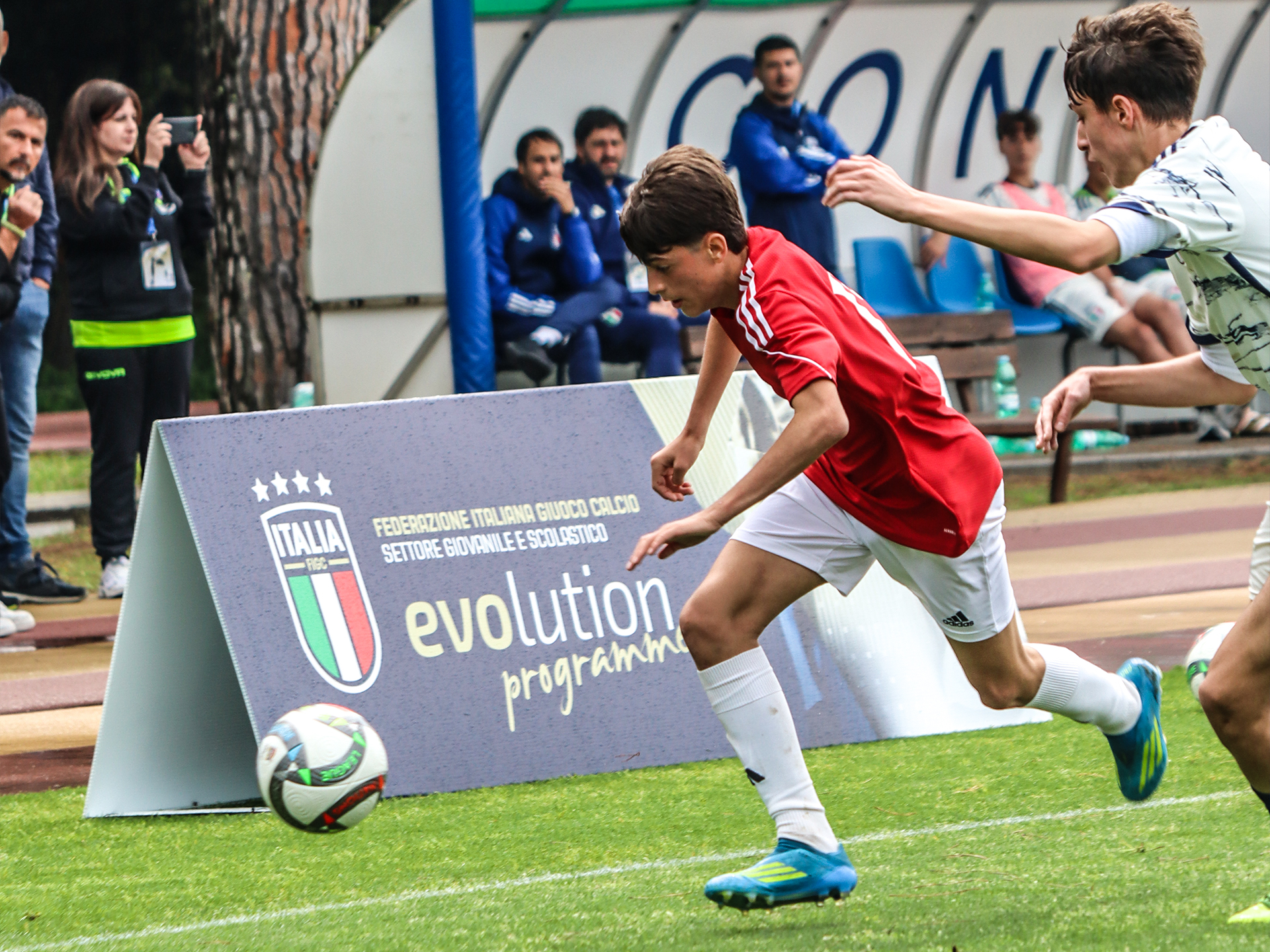
Among the milestones that mark key stages of the pathway are the U-14 Evolution Programme tournament for boys and the Calcio+ project for girls. The former, at the end of the season, brings together 76 players selected through CFT and AST activities over three days. The latter is a series of training camps for U-15 female players, which serve as the gateway to the first national team on the Club Italia pathway. The fact that 60% of boys at the tournament move on to professional clubs the following year and that the women’s U-16 national team is made up almost entirely of Calcio+ project players is only part of the story. The real value lies in the pathway itself and its impact at every level, a journey that we hope has laid the foundations for lasting change.
The core methodological framework
Released as part of the Evolution Programme pathway, the core methodological framework provides the foundation for every project and activity of the Youth and School Department, bringing together the key principles, models and approaches that underpin young player development.
Note: all developmental content, exercises and regional activity calendars are delivered through the Evolution Programme app.
The next article takes a closer look at the ten guiding principles, one of the key elements of the core methodological framework, through a video presentation covering what they are, their purpose, the target groups and how they are applied in practice.
Rate your experience