Learning platform
 en
en 


In the first part of this session for the FIFA Training Centre, Perry Walters set out what cutting-edge research is revealing about the adolescent brain, and discussed some of the challenges of working with adolescent footballers. Part 2 builds on those foundations by introducing the ASPIRE framework, and exploring exactly what coaches can do on the training pitch and the touchline to help their players flourish.
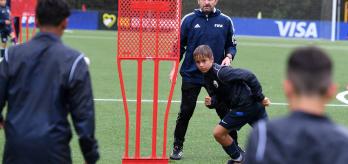
Coaches can help to maximise the potential of adolescent learners.
Watch presentation
Read summary
Part 1: Autonomy, Self and Purpose
Adolescence ramps up emotional drives and is associated with a heightened sense of self, which is why teenagers tend to be very self-conscious. At the same time, it is also a crucial period in which they develop decision-making skills, identity and a sense of agency in their lives. Coaches can play a significant role in that development by giving players responsibility, guiding them beyond their comfort zones, and creating opportunities for them to contribute to the community at large.
Part 2: Inquiry, Relationships and Emotions
Adolescents are primed to take risks. Sometimes, those risks come back to bite them, but that mindset also encourages creativity and learning. Coaches can accelerate that learning by creating a safe environment for players, praising the behaviours they want to see more of, and being careful not to undermine players in front of their peers. Since teenagers are particularly sensitive to what other people think about them, contextualising decisions that could be perceived as negative (such as leaving a player out of a squad) is particularly important.

Part 3: ASPIRE in youth football
Finally, Dr Walters turns his attention to how this framework can be applied in youth football. As he demonstrates, it has the advantage of being extremely flexible, and can inform everything from technical exercises to tactical thinking. Research suggests that applying it effectively can foster resilience, agency, creativity and imagination in training and in school. However, finding the best way to use it is a challenge that requires close communication with a range of stakeholders. Ideally, clubs should aim for a multi-disciplinary approach, with input from educators, coaches and researchers.
-
Autonomy: Autonomy here might apply more to the group than to individual players. They should be given licence to work as an independent team, and to adapt as necessary to complete the exercise.
-
Self: This exercise can help to instil self-confidence. It develops technique and builds confidence in technical skills, but it also gives coaches an opportunity to model the behaviour they want players to show(for example, by staying calm and composed).
-
Purpose: To keep the ball and refine your technique.
-
Inquiry: Experimentation is one form of inquiry, but in a possession-based drill, coaches might want to encourage patience, focus, and weighing up the risks of making different types of passes.
-
Relationships: This is a team-based drill. To succeed, players need to build strong relationships with their team-mates and work together. Coaches can help by staying calm and being patient when mistakes are made.
-
Emotions: Players need be strong and aggressive to keep the ball, but they also need to stay calm to prevent mistakes from creeping in.
About the expert
Rate your experience


















.variant64x64.png)


.variant348x164.png)